Rising Tide of AI Deepfakes: Nivetha Thomas, Sreeleela, and Payal Gaming Speak Out Against Digital Misuse
Rising Tide of AI Deepfakes: Nivetha Thomas, Sreeleela, and Payal Gaming Speak Out Against Digital Misuse
December 18, 2025
In a disturbing wave of incidents highlighting the dark side of artificial intelligence, Telugu-Malayalam actress Nivetha Thomas has become the latest public figure to condemn the circulation of AI-generated deepfake images misusing her likeness. Her outspoken response follows similar outcries from actress Sreeleela and popular gamer Payal Dhare (known as Payal Gaming), underscoring the growing threat of non-consensual digital manipulation targeting women in the public eye.
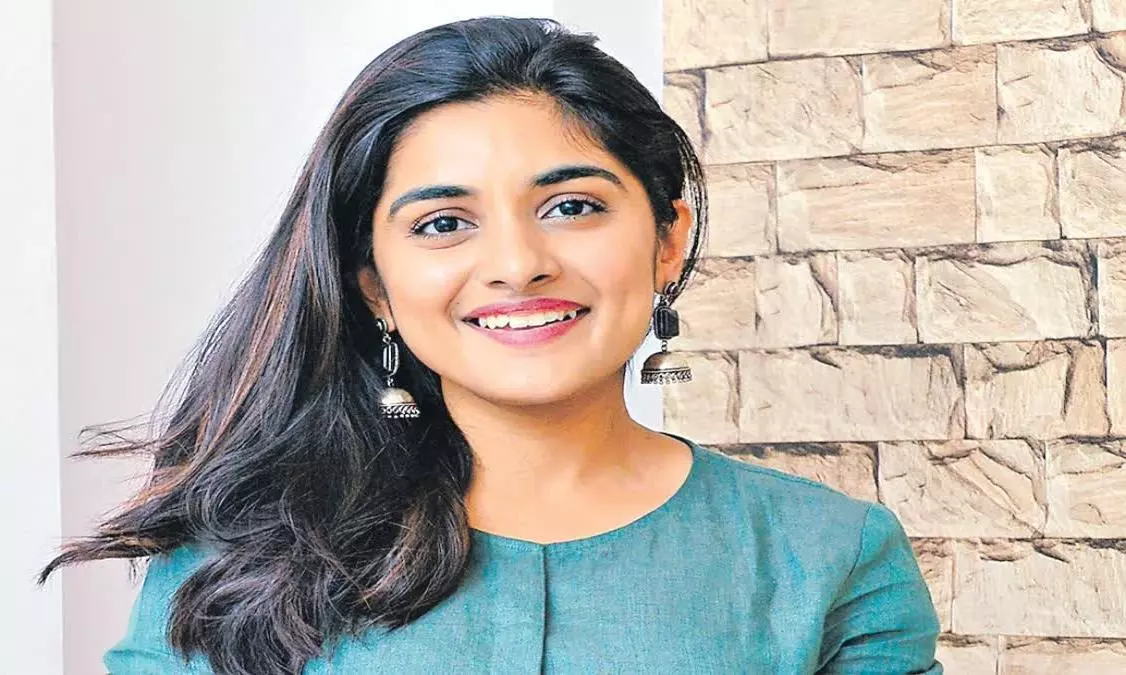
Nivetha Thomas, known for her roles in films like Vakeel Saab and 35 Chinna Katha Kaadu, took to X on December 17 to address the issue directly. She revealed that AI-generated images, based on a recent personal photograph she shared online, were being circulated without her consent. In a strongly worded statement, she described the act as "deeply disturbing, unacceptable, and unlawful," labeling it a serious violation of privacy and digital impersonation. Thomas urged users and pages to immediately remove such content and warned of legal action against those responsible, including anonymous accounts.
Her post echoed the sentiments of Sreeleela, the young star of hits like Pushpa 2: The Rule and Guntur Kaaram, who earlier that day shared an emotional appeal on social media. Sreeleela pleaded with users to reject "AI-generated nonsense," emphasizing the crucial distinction "between using and abusing technology." She highlighted the broader implications for women's safety, noting that "every girl out there is a daughter, granddaughter, sister, friend." The actress revealed she had filed a police complaint and spoke on behalf of colleagues facing similar harassment.

The series of events reportedly began with Payal Gaming, a prominent YouTuber and esports personality with millions of followers. An explicit video falsely attributed to her went viral, sparking widespread speculation. Fans and fact-checkers quickly identified it as an AI deepfake, and Payal broke her silence, clarifying it was not her and describing the ordeal as "deeply hurtful and dehumanizing." She issued a legal warning against those spreading the fabricated content.

These incidents illustrate the alarming accessibility of AI tools that enable realistic deepfakes, often used for harassment or sensationalism.
Reports from outlets like India Today, Hindustan Times, and Moneycontrol stress the need for ethical AI guidelines and stronger legal protections. This wave echoes past cases involving celebrities such as Rashmika Mandanna and Alia Bhatt, where deepfakes sparked national conversations on privacy and misinformation.
As AI technology advances rapidly, these voices from the entertainment and gaming worlds serve as a urgent call for accountability—from platforms, creators, and users alike—to prevent further erosion of personal dignity in the digital age. Authorities and tech companies must act swiftly to curb this misuse, ensuring innovation does not come at the cost of individual rights.
टिप्पणियाँ
एक टिप्पणी भेजें